However, resolution drops, so very small measurements get harder
The thresholds reported in preclinical literature vary: PCB-157 : 10 g/kg to 1 mg/kg subcutaneously or intraperitoneally depending on the model
Because the shoulder is such a mobile joint and the rotator cuff isnt always addressed during regular workouts its common to experience discomfort or pain in this area, especially with age
Lindsay Harmon, MBA, CCRA Apr 234 min read BPC-157 in Dogs: What We Know, What We Dont, and Why Its Being Studied BPC-157 has gained attention as a potential tool to support healing in dogs, especially for tendon and soft tissue injuries

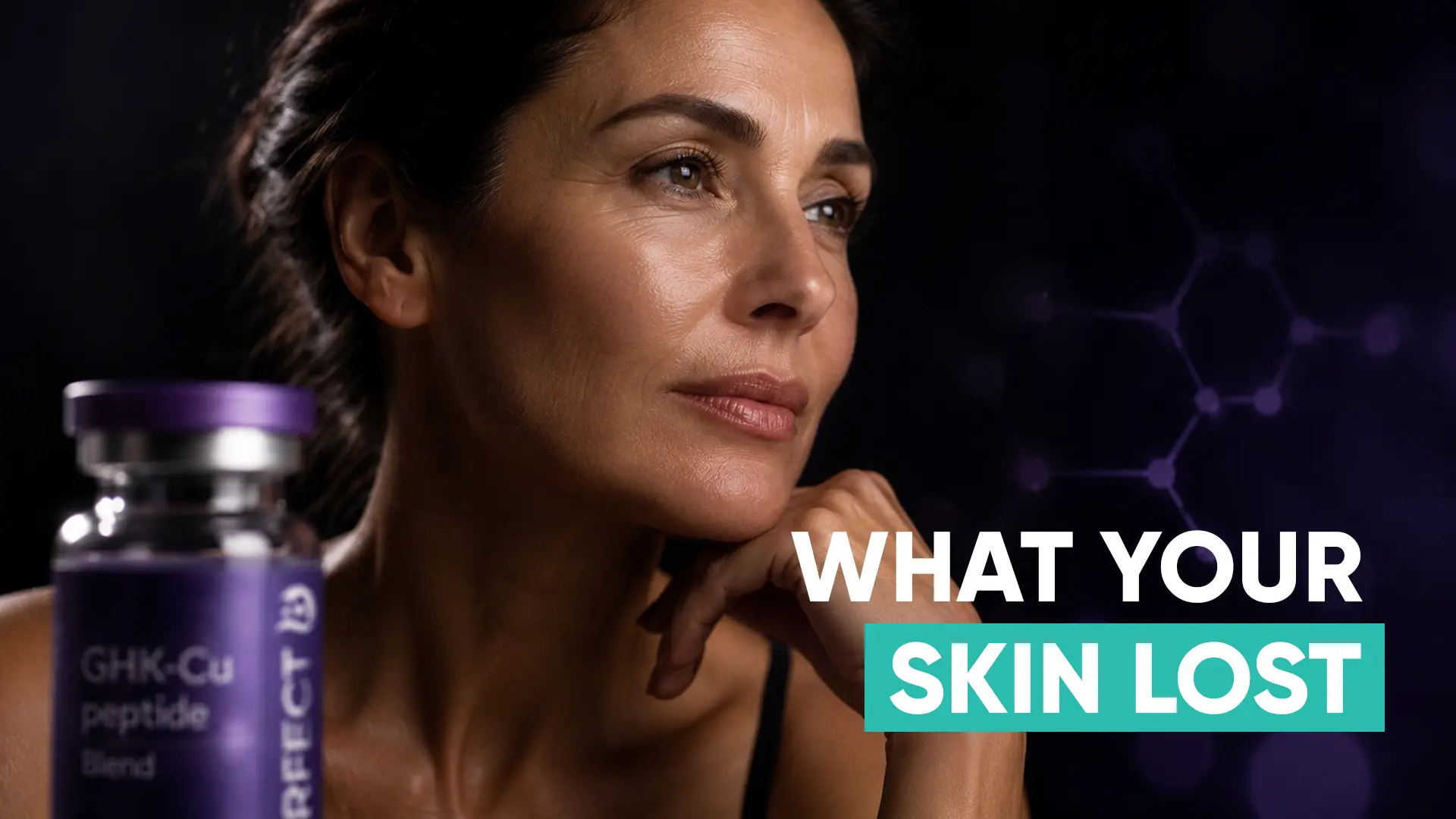
Aqua (Water), Glycerin, Lactococcus Ferment Lysate, Copper Tripeptide-1, Acetyl Hexapeptide-8, Pentapeptide-18, Palmitoyl Tripeptide-1, Palmitoyl Tetrapeptide-7, Palmitoyl Tripeptide-38, Dipeptide Diaminobutyroyl Benzylamide Diacetate, Acetylarginyltryptophyl Diphenylglycine, Sodium Hyaluronate Crosspolymer, Sodium Hyaluronate, Allantoin, Glycine, Alanine, Serine, Valine, Isoleucine, Proline, Threonine, Histidine, Phenylalanine, Arginine, Aspartic Acid, Trehalose, Fructose, Glucose, Maltose, Urea, Sodium PCA, PCA, Sodium Lactate, Citric Acid, Hydroxypropyl Cyclodextrin, Sodium Chloride, Sodium Hydroxide, Butylene Glycol, Pentylene Glycol, Acacia Senegal Gum, Xanthan Gum, Carbomer, Polysorbate 20, Dimethyl Isosorbide, Sodium Benzoate, Caprylyl Glycol, Ethylhexylglycerin, Phenoxyethanol, Chlorphenesin For the latest information, it is recommended to review the ingredient list printed on the packaging of the product prior to usage or consumption